
From Spa to Science: the longevity arms race in hotels and cruises.
Luxury hospitality is turning into a “healthspan platform”: diagnostics, sleep optimization, evidence-based programs—and a surprising return to the human side of wellbeing.

1) THE BIG SHIFT
For years, “wellness” in hospitality has been treated like a beautiful accessory: a spa menu, a yoga schedule, a scented lobby, a few detox juices. Nice to have. Easy to photograph. Easy to forget.
That version is being replaced by something more demanding — and, for luxury brands, much more strategic.
We are watching wellness turn into a healthspan promise: not “you’ll relax”, but “you’ll leave better than you arrived.” Better sleep. A calmer nervous system. More energy. Less pain. A body that moves again. A mind that feels sharper. And, increasingly, a plan you can keep following once you’re back home.
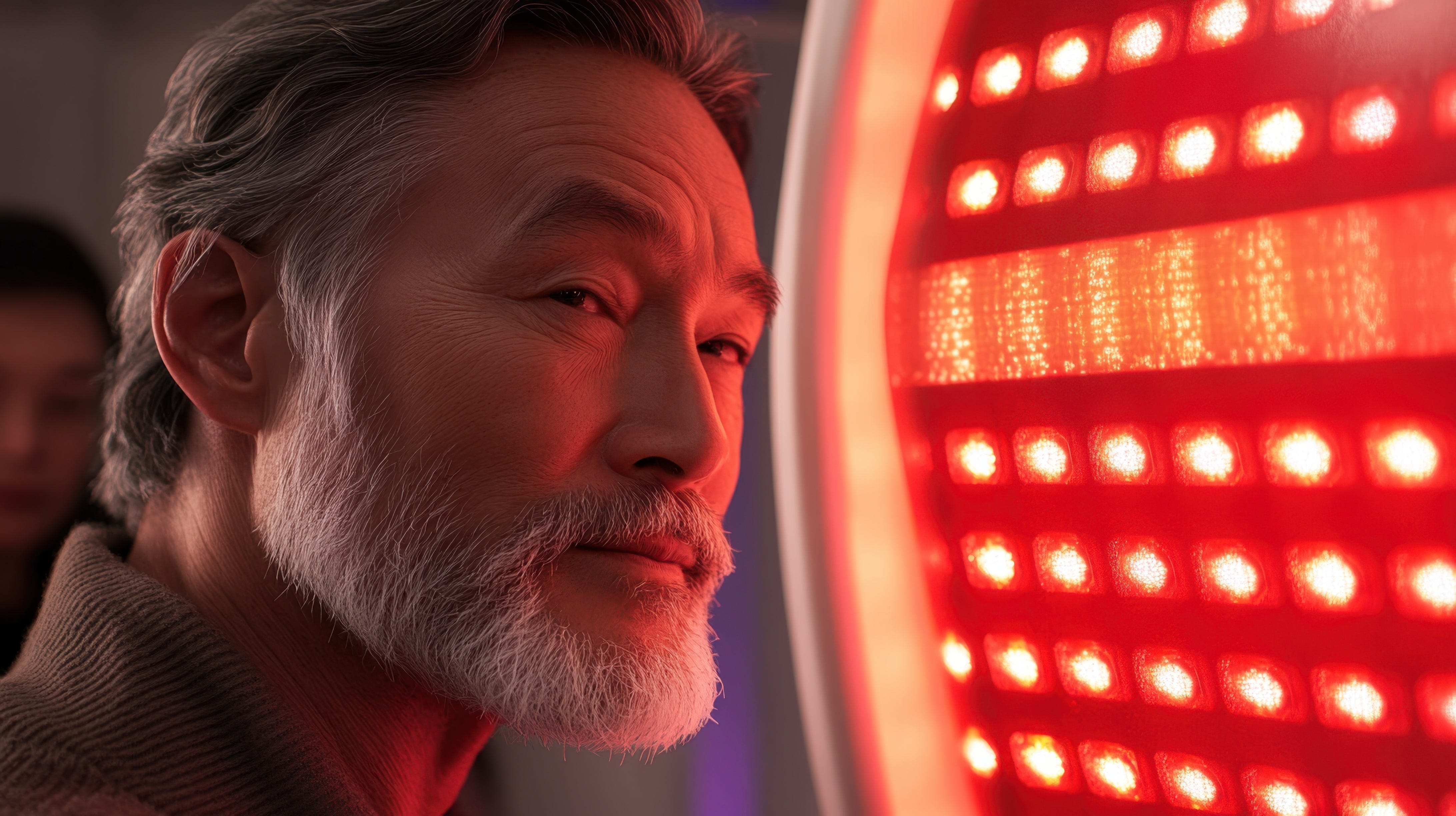
This shift is happening because the customer has changed.
People don’t arrive at a luxury hotel or step onto a ship as blank slates anymore. They arrive with wearables, blood panels, podcasts, personal protocols, and a growing belief that exercise and prevention aren’t “lifestyle choices” but essential infrastructure. In the U.S., consumers are planning to allocate tens of billions to health and fitness next year, and many say it’s among the last things they’d cut if budgets tighten.
At the same time, the market context has become too large to ignore. Wellness travel is no longer niche — it’s one of the fastest-growing parts of the entire travel economy, with spending back in the hundreds of billions and projections that point toward trillion-scale growth over the next few years.
So what changes inside hospitality?
From “spa” to “system”
Luxury brands are quietly moving from offering wellness services to building wellness systems — experiences that connect the dots between sleep, movement, nutrition, recovery, stress regulation, and (when they choose the clinical lane) diagnostics and evidence-based programs. You can already see the model in properties that host medically licensed longevity clinics designed around assessments and personalized interventions aimed at biological ageing.
This is also where a critical risk appears: the credibility gap.
As wellness becomes more outcomes-driven, guests become less tolerant of vague promises. They are willing to pay for transformation, but they increasingly expect competence, measurement, and coherence — not just atmosphere.
In other words: the industry can no longer hide behind scented candles when it is implicitly selling health.
From “for everyone” to “for a specific inner journey”
There’s another layer to this shift that most discussions miss: wellness is not only about biomarkers. It’s also about inner states.
A surprising amount of guest dissatisfaction in luxury is not about quality. It’s about mismatch. Someone books an “exciting” hotel when they actually needed quiet. Someone chooses spectacle when they needed grounding. Someone pays for five-star service when what they were really searching for was a reset. The next generation of wellness hospitality will win by being much clearer on the type of transformation it is designed to deliver — and for whom.
This is why “longevity” is such a powerful concept for luxury: it naturally bridges the external and the internal. It’s about energy and performance, yes — but also coherence, meaning, rhythm, and the feeling of being reassembled into a better version of yourself.
From “a stay” to “an ongoing relationship”
Finally, wellness is pushing hospitality toward a different business model: continuity.
The most valuable wellness experiences don’t end at check-out. They leave you with an actionable plan, a feedback loop, and a reason to come back — or to stay connected through coaching, follow-ups, subscriptions, products, or membership formats. This is where hotels start to look like platforms, and cruises start to look like clubs: curated communities with repeatable rituals and a long-term health narrative
Why This Is the Big Shift
Because luxury is being redefined in real time.
In a world where everyone can buy comfort, what’s scarce is vitality. What’s scarce is waking up without fatigue. What’s scarce is having a body that still feels like an ally at 55, 65, 75.
Hospitality is stepping into that scarcity — and that’s why the “wellness” conversation is no longer peripheral. It’s moving to the center of brand strategy for high-end hotels and premium voyages.
2) WHAT’S HAPPENING OUT THERE
Five pieces worth your radar
1) Condé Nast Traveler — The biggest wellness travel trends of 2026
Longevity clinics and biohacking-style offerings are moving into the mainstream of premium travel. At the same time, the mood is shifting away from relentless self-optimization toward wellness that feels lighter: more social, more playful, more emotionally restorative.
2. Four Seasons — Chi Longevity Clinic at Four Seasons Hotel Singapore
A luxury hotel integrating medically positioned longevity services into the guest journey, built around assessment, personalization and structured programs. A strong signal that “wellness” is evolving from spa treatments to measurable, prevention-oriented experiences.
3. Seatrade Cruise — Hapag-Lloyd announces a 2026 wellness retreat at sea
Wellbeing packaged as a retreat format rather than a list of onboard activities: curated programming, expert guidance, and a coherent arc designed to deliver a reset. Another step toward cruises competing directly with land-based wellness retreats.
4. Cruise Industry News — Mercedes-Maybach launches Maybach Ocean Club concept
Wellness reimagined as membership, identity and belonging: co-ownership, curated community, and ritualized time onboard. A glimpse of where ultra-luxury may go next—moving from “travel product” to “club model.”
5. McKinsey — The Future of Wellness (2025)
Wellness increasingly behaves like a daily consumer operating system—personalized, segmented, and integrated into routines. A helpful macro lens for why hospitality is productizing wellness into end-to-end ecosystems rather than isolated amenities.
3) ONE THING WORTH READING
If you only have time for one document this week:
Longevity Wellness & Hospitality Strategy Report — Pioneer Wellness Group (Sept 2025)
A concise, investment-minded map of how luxury hospitality is moving from “spa & self-care” to outcomes-driven longevity—and why that shift creates both upside and reputational risk. The sharp idea is the Wellness Gap: many brands talk transformation, but don’t back it up with credibility, measurement, or a coherent guest journey.
The playbook, written by Dr. Frederik Dierick, is pragmatic: don’t build a full clinic; use a partnership-led Longevity Lever to “precision-upgrade” what you already have (spa → regeneration, gym → recovery + movement specialists, dining → programmatic nutrition).
And the real business model isn’t the stay—it’s what happens after: a data-backed “profile,” a plan, follow-up touchpoints, and recurring revenue.
4) WHY THIS MATTERS
Because hospitality is about to compete on a new definition of luxury.
For the last twenty years, the luxury arms race was built on space, design, service, and scarcity. Those things still matter. But they’re no longer enough to differentiate when every top brand can deliver beautiful rooms, great linens, and a competent spa.
What’s becoming scarce—really scarce—is vitality.
Energy at 8am without three coffees. A back that doesn’t hurt on the flight home. Sleep that actually repairs you. A body that moves like it belongs to you. A mind that feels lighter. That’s the new currency. And it’s exactly what longevity puts on the table: not “living longer,” but living better for longer.
1) Wellness is moving from marketing to accountability
The moment a hotel or cruise line starts implying outcomes—“reset,” “rejuvenate,” “detox,” “longevity”—it steps into a different contract with the guest. Atmosphere isn’t enough. Guests will expect coherence, competence, and a logic that holds up beyond the brochure.
That’s not a threat. It’s a filter. It rewards the brands that take wellness seriously—and exposes the ones that sell a story without a backbone.
2) The winners will be the brands that design behavior change
Luxury hospitality has a superpower that healthcare doesn’t: it controls the environment.
Light, sleep, food, movement, recovery, rhythm, nature, and social connection can be orchestrated with precision—without feeling clinical. That’s why hotels and ships can become the best “behavior change containers” on the market: a place where people finally do what they know they should do… because everything around them makes it easier.
And that’s the leap from spa to system: not treatments, but habits.
3) This isn’t only about medicine—it’s about meaning
There’s a quiet trap in the longevity conversation: turning wellness into endless optimization.
But the most powerful wellness experiences don’t just upgrade the body. They restore something deeper: calm, clarity, confidence, belonging. In the long run, the most defensible luxury wellness won’t be the one with the fanciest tech—it will be the one that designs the right inner outcome for the right person.
Longevity is ultimately emotional: people are trying to protect their future self.
4) The business model is shifting from “a stay” to “a relationship”
Once wellness becomes central, the stay becomes the beginning—not the end.
Programs lead to follow-ups. Follow-ups lead to repeat visits. Repeat visits lead to memberships, cohorts, community, and a longer lifetime value curve. This is why luxury cruises and luxury hotels are converging toward the same strategic logic: continuity.
The strongest brands won’t just host guests. They’ll keep them.
The real takeaway
Longevity is changing hospitality because it changes the question guests are asking.
Not “Is it beautiful?”
Not even “Did I relax?”
But: “Did this place make my life better?”
And that’s why this matters: when hospitality becomes a platform for healthspan, luxury becomes less about escaping life—and more about upgrading it.Thanks for reading The World of Longevity! Subscribe for free to receive new posts and support my work.